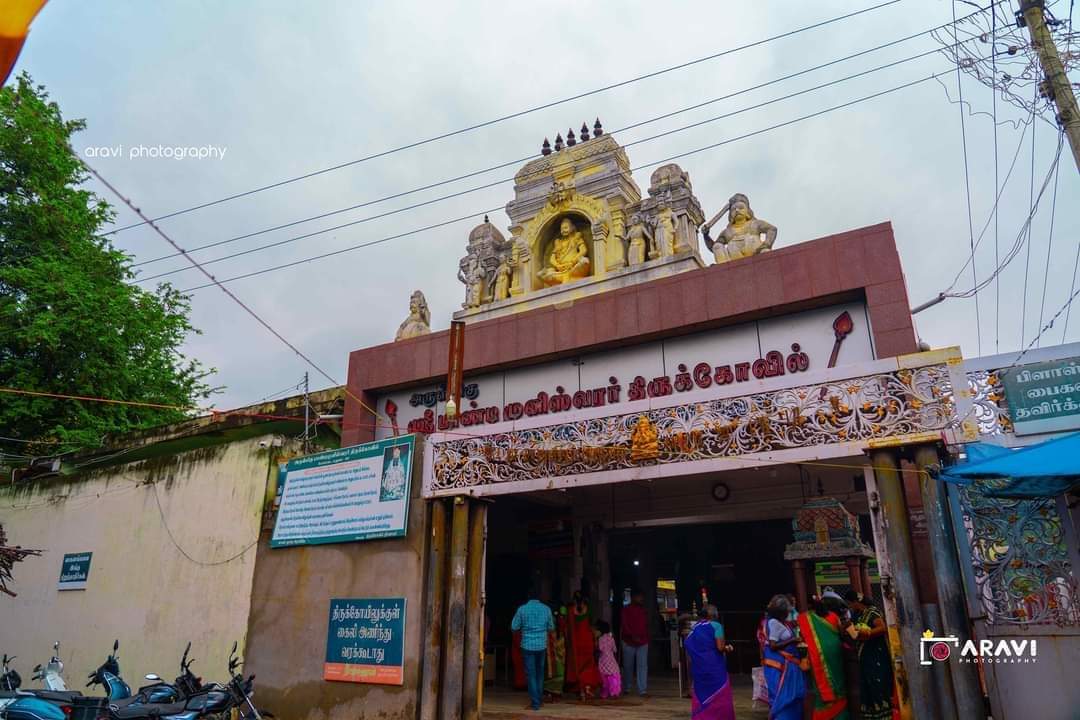
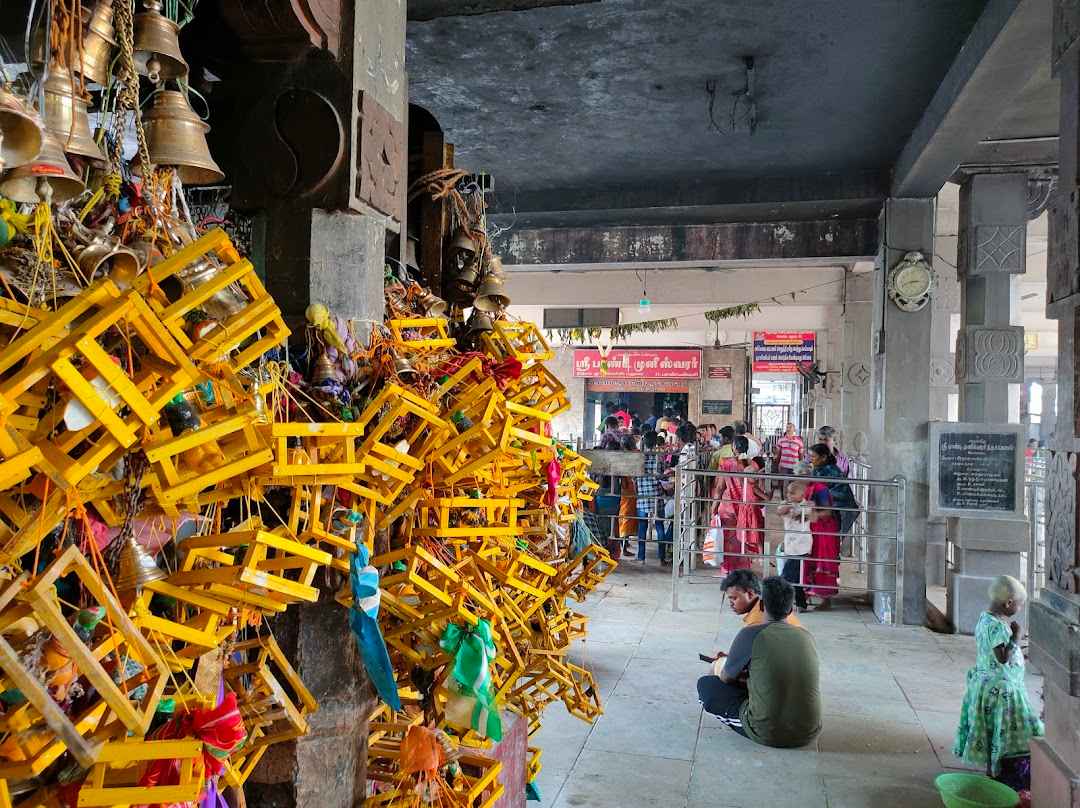
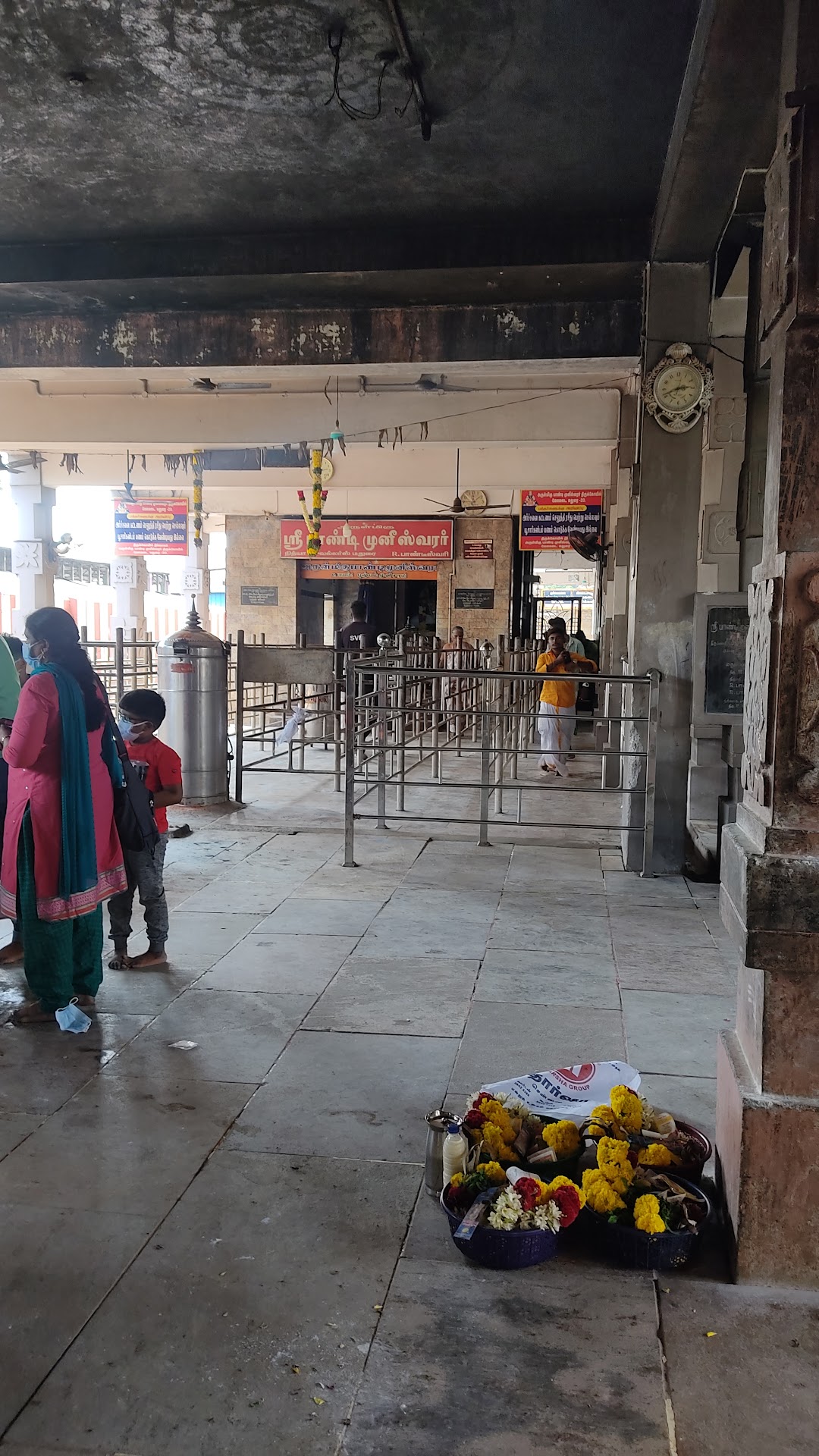
The Pandi Muneeswarar Temple, located in the heart of Madurai, is one of the city’s most unique and spiritually vibrant temples. Unlike the grand ancient temples the region is known for, this shrine is revered for its mystical roots, divine atmosphere, and deep local devotion. A stop here adds meaningful depth to your South India tour or Madurai travel package, especially for those seeking offbeat spiritual experiences in Tamil Nadu.
According to local lore, this temple is believed to be the final resting place of an ancient Pandya king who, unable to complete his rule, now resides here as Pandi Muneeswarar—a spiritual guardian spirit worshipped by thousands. It is said that a farmer once encountered the spirit in a dream, leading to the discovery of this sacred place.
Devotees pray to Pandi Muneeswarar for justice, protection, and resolution of family or legal disputes. It’s common to see people visiting the temple before court appearances or major decisions, seeking divine guidance.
While not a massive temple complex, the energy within the shrine is powerful. The belief in the deity’s swift and fair action has led to strong local faith, making it a hidden yet important spiritual stop for those exploring Madurai’s spiritual heritage.
The temple can be visited year-round, but the best time is between October and March when Madurai’s weather is pleasant. Thursdays and Sundays are considered auspicious and usually see a larger number of devotees.
Pandi Muneeswarar Temple is ideal for inclusion in:
It provides a contrast to larger temples like Meenakshi or Alagar Kovil by offering a more intimate, personal experience with strong local faith.
If you’re planning a South India tour that includes Madurai, don’t miss the chance to explore the spiritual depth of Pandi Muneeswarar Temple. Revered for justice, protection, and divine intervention, this hidden temple is a powerful spiritual stop for those interested in Tamil Nadu’s lesser-known religious traditions.
Add it to your tours in Tamilnadu for a complete experience that goes beyond monuments to include meaningful, local spiritual practices.